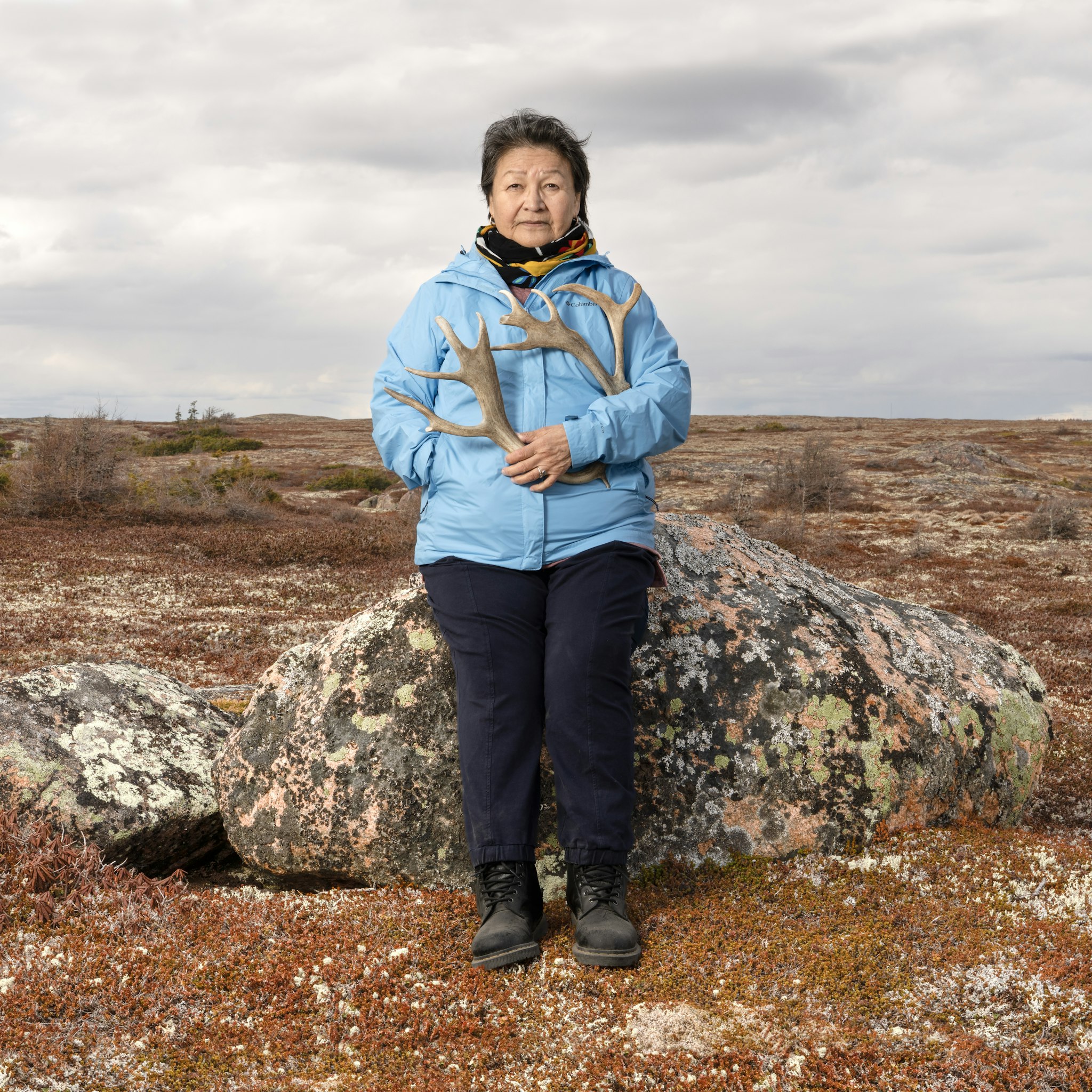
Nitassinan, the territory of the Innu people, stretches from the St. Lawrence Valley to the boreal regions of eastern Canada and has been inhabited by this people for 10,000 years. Rich in natural resources and a migratory crossroads, it has attracted many groups, including Europeans (Vikings, Portuguese, French, British). The first contacts, marked by unequal exchanges, led to the exploitation of the Innu and the gradual loss of their territory.
Colonial policies, such as the Indian Act (1876) and residential schools (1921), amplified their acculturation and caused major trauma. Despite this, the Innu continue to resist and assert their identity through cultural, political, and economic initiatives.
This documentary project explores this resilience and the contemporary reality of Innu communities, archiving their urbanism, their intermingling, and their relationship with the land across their eleven reserves.
The History and Archaeology Society was born out of a desire among the Pekuakamiulnuatsh—the Montagnais people of Lac-Saint-Jean at the time—to preserve and promote their culture. The socio-political context of the late 1960s led the members of the band to a cultural awakening that marked the first steps in a long process toward the development of tourism, cultural affirmation, and self-determination for the Pekuakamiulnuatsh.
In this context, a committee of active volunteers decided to create the Pointe-Bleue Historical and Archaeological Society, a corporation that would ensure cultural preservation and transmission and manage the future Pointe-Bleue Native American Museum. Located in the village’s former presbytery, purchased by the Band Council, the Society was incorporated in the summer of 1976, and the Native American Museum officially opened its doors the following summer.